Circle time is that magical moment when little ones gather around, eager to learn, play, and socialize. It’s like a secret sauce for preschool success, blending education with fun in a way that even the grumpiest toddler can appreciate. From singing catchy tunes to sharing imaginative stories, circle time transforms a regular classroom into an exciting learning environment. But what exactly is circle time? And why is it considered the holy grail of preschool education? Buckle up, because this comprehensive guide dives into the ins and outs of circle time, ensuring educators everywhere can make the most of every session.
What Is Circle Time?
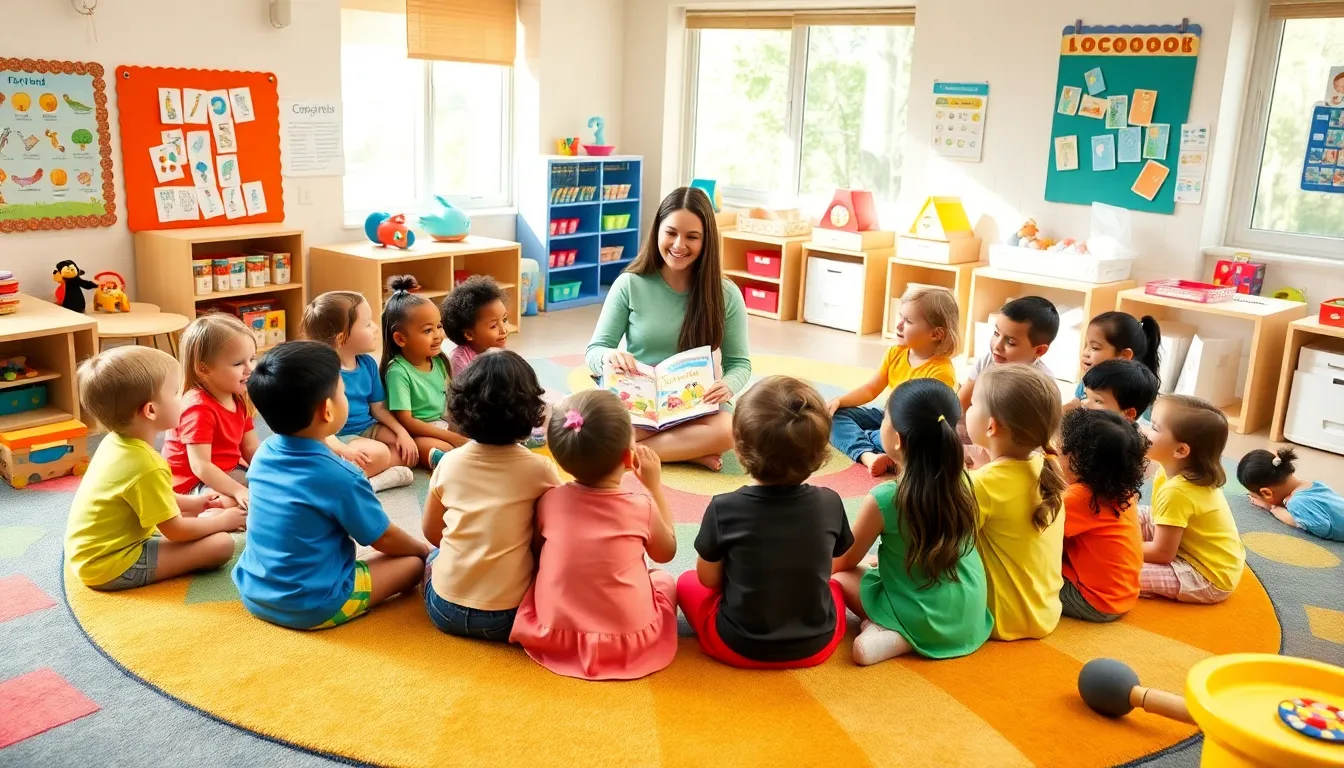
Circle time is a structured gathering of preschoolers that fosters a sense of community and facilitates learning. Typically held at the beginning of the day, it brings children together in a circle, creating an inclusive and friendly atmosphere. During this time, educators introduce daily activities, share important announcements, or integrate different subjects into fun and engaging experiences.
The format is versatile and can be customized depending on the educational goals and the interests of the children. This dynamic setting allows for interactive discussions, storytelling, movement activities, and even a bit of dancing. Eventually, circle time serves as a vital introduction to the day, setting a positive tone while serving specific developmental needs.
While it might seem as simple as sitting in a circle, there’s a lot more beneath the surface that leaves a lasting impact on the little learners. Whether they are singing or sharing experiences, children’s social and emotional development takes place in this nurturing environment.
The Importance of Circle Time for Preschoolers
Circle time plays a crucial role in preschool education for several reasons. First and foremost, it promotes social skills. As children share ideas, listen to peers, and interact with their teachers, they learn the vital components of communication and cooperation. Negotiating turns and listening respectfully fosters a sense of community.
Also, circle time helps in developing language skills. Each session usually includes storytelling, songs, or discussions that contribute to vocabulary expansion. Children learn new words and concepts, and they become more confident in their speech.
On a cognitive level, circle time encourages critical thinking. By asking open-ended questions during discussions, teachers stimulate young minds to express ideas and thoughts creatively. Little ones even learn the basics of structure and routine as they begin to understand that learning occurs in an organized manner.
Finally, circle time supports emotional development. In a safe space where all emotions are valid, children feel valued, which boosts self-esteem. Whether they’re celebrating victories or sharing disappointments, the circle fosters empathy and connection among peers.
How to Structure a Successful Circle Time Session
Creating the perfect circle time session requires careful planning, but it doesn’t have to be rocket science. Here’s a simple structure that educators can follow:
- Gathering: Start with children coming together to form a circle. A warm, friendly greeting sets the mood.
- Welcome Song: Incorporate a welcome song to grab attention and set an upbeat tone. It encourages participation and instills a sense of belonging.
- Daily Calendar: Introduce the calendar segment to teach days of the week, weather, and months. Kids can learn to identify dates, which sharpens their functional math skills.
- Announcements: Use this time to share what will happen during the day, transitions, or any special events. Keeping it brief keeps their attentions intact.
- Interactive Activity: Introduce a short activity or game that relates to the topic of the day. This can include songs, movements, or discussions to keep engagement high.
- Closing: Wrap up the session with a closing activity, like a goodbye song or a short story, ensuring a smooth transition to the next part of the day.
Each session might vary in length, accommodating the attention spans of the kids. Aim for about 15-30 minutes, depending on the age group and complexity of the activities.
Activities to Include During Circle Time
The beauty of circle time lies in its flexibility. Here’s a list of activities to make each session lively and memorable:
- Storytelling: Choose interactive books with colorful illustrations. Encourage kids to predict what happens next or act out scenes.
- Songs and Chants: Integrate familiar tunes, nursery rhymes, or even original songs that resonate with the theme of the week.
- Movement Games: Incorporate fun physical activities during circle time. This can help get their wiggles out. Simple dance or movement games help motor skill development.
- Show and Tell: Let children bring an item from home to share, fostering both communication skills and personal expression.
- Thematic Discussions: Choose a weekly theme and encourage children to discuss related topics. For example, during a nature week, talk about different animals, plants, or weather patterns.
- Art Corner: Display artwork made during the week and let children share their creations, promoting confidence and peer-to-peer feedback.
Tips for Engaging Preschoolers During Circle Time
Engaging preschoolers can sometimes feel like herding cats, but here are some practical tips to keep children actively involved:
- Use Visual Aids: Picture cards, puppets, or props related to the theme can significantly enhance engagement and understanding.
- Vary the Tone: Speak in a lively and animated manner. Use different voices during storytelling to capture attention.
- Encourage Participation: Make it a norm for children to express their thoughts. Encourage questions and validate their contributions to build confidence.
- Incorporate Technology: Sometimes, integrating educational videos or songs from tablets can captivate young minds, as long as it’s brief and relevant.
- Mind the Pace: Stay aware of the energy levels in the room and be willing to switch activities if you sense attention is waning.
Incorporating Themes and Learning Objectives
Thematic learning can spice up circle time. Choosing a weekly theme provides cohesion and excitement to lessons. For instance, if the theme is ‘Under the Sea,’ songs, stories, and activities can revolve around aquatic creatures and environments.
When incorporating learning objectives, consider the curriculum standards. Each circle time should subtly intertwine educational concepts like letter recognition, counting, or social skills. You can frame questions or activities around these objectives while keeping the focus on fun.
Use visual calendars to display upcoming themes, songs, or activities. This prepares children for what’s ahead, making the learning experience flow smoothly.