When it comes to feeding preschoolers, the task can feel as challenging as herding cats. Not to mention that they often have an uncanny ability to reject foods they loved just yesterday. But fear not, understanding what nutrients they need and how to deliver them can simplify this culinary conundrum. In this detailed guide, we will explore the nutritional needs of 4- to 5-year-olds, essential food groups, daily meal plans, and tips for fostering healthy eating habits. Plus, we’ll tackle common dietary concerns. Let’s unleash those little ones’ appetites for health.
Understanding Nutritional Needs for Preschoolers
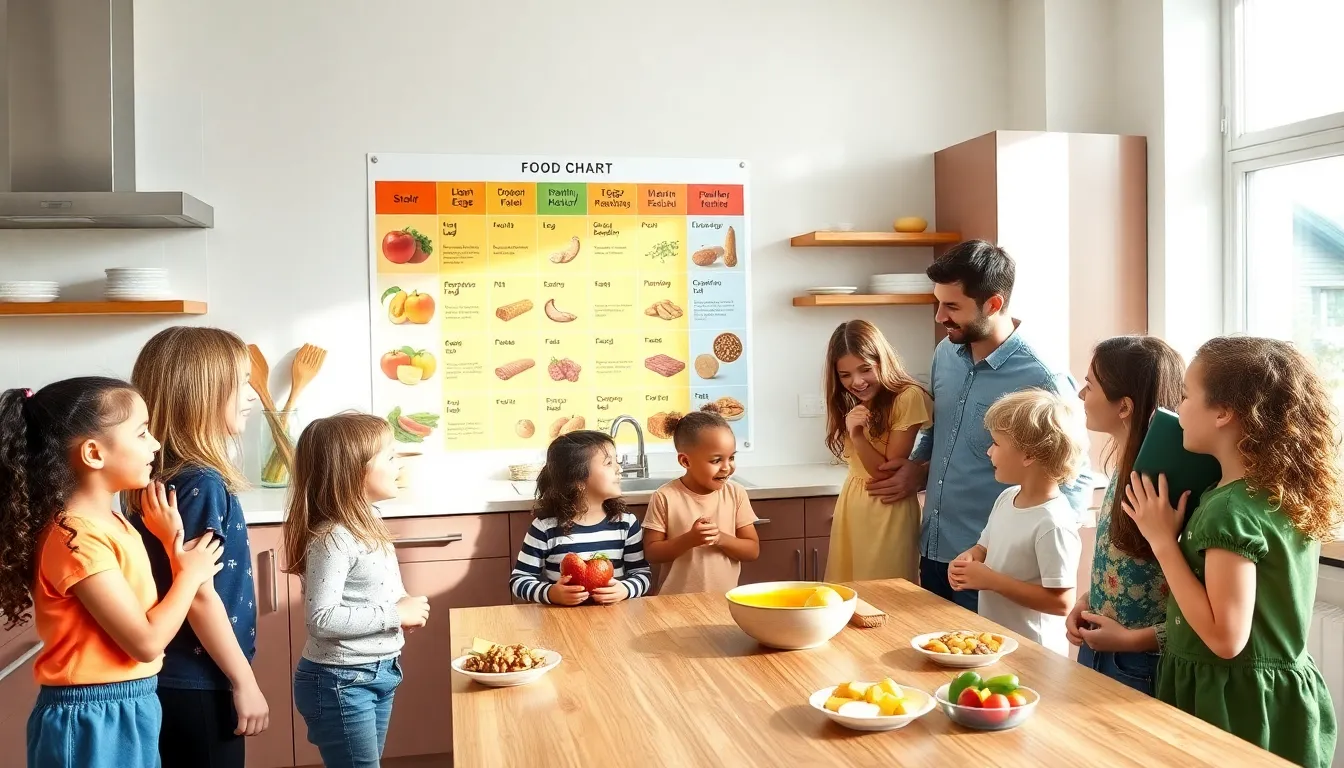
At this lively age of 4 to 5 years, children are brimming with energy and curiosity, requiring a well-rounded diet to support their growth and development. Their nutritional needs primarily focus on macronutrients, carbohydrates, proteins, and fats, along with a variety of vitamins and minerals.
Calories: Typically, preschoolers need about 1,200 to 1,600 calories a day, depending on their activity level. That’s roughly the amount in a medium-sized pizza slice for each meal. Crazy, right?
Proteins: Protein is vital for growth. Aim for 13-19 grams daily, found in foods like lean meats, eggs, and legumes.
Fats: Healthy fats, at around 30% of total calories, will aid brain development. Think avocados, nuts, and olive oil.
Hydration: Many parents overlook hydration needs. Water should be the go-to drink, as it keeps kids energized and focused.
Summarizing, a balanced diet consisting of various food groups will help ensure that children receive the essential nutrients they require at this energetic stage of life.
Essential Food Groups for Optimal Growth
In ensuring a balanced diet, it’s crucial to include all food groups. Here’s a breakdown:
Fruits and Vegetables
These provide essential vitamins, minerals, and fiber. Aim for at least 5 servings a day. Think colorful. Bright fruits like berries and sweet carrots not only taste great but also pack a nutritional punch.
Grains
Whole grains are a fantastic source of energy. Instead of the refined stuff, choose whole wheat bread, brown rice, and oats. These will fill little stomachs while keeping them full longer.
Proteins
Lean proteins can come from poultry, fish, beans, and tofu. These help in muscle growth and overall development. Plus, they can be introduced in fun ways, like fish sticks shaped like dinosaurs.
Dairy
Dairy products such as milk, yogurt, and cheese are vital for strong bones. Choose low-fat options when possible, as they help meet calcium and vitamin D needs.
Fats
Healthy fats are easily overlooked. Adding avocado or a sprinkle of olive oil can enhance flavor and deliver necessary nutrients.
Combining these food groups in every meal will lead to balanced growth and development for preschoolers.
Daily Meal Plan for 4 To 5 Year Olds
Creating a daily meal plan tailored for 4- to 5-year-olds can be a game-changer. Here’s a sample meal plan that emphasizes variety while meeting their nutritional needs:
Breakfast
- Option 1: Scrambled eggs with a slice of whole-grain toast and a small serving of fruit, like half a banana.
- Option 2: Yogurt parfait with mixed berries and a sprinkle of granola.
Snack
- Option 1: Carrot sticks with hummus.
- Option 2: Apple slices with almond butter.
Lunch
- Option 1: Whole-grain turkey sandwich, a side of cucumber slices, and a handful of grapes.
- Option 2: Small bowl of vegetable soup with a piece of whole-grain bread.
Snack
- Option 1: A small handful of mixed nuts (if no allergies).
- Option 2: Cheese cubes with whole-grain crackers.
Dinner
- Option 1: Grilled chicken with quinoa and steamed broccoli.
- Option 2: Baked fish with sweet potato fries and fresh green beans.
This plan offers nutrients without being too repetitive, keeping meals exciting for little ones.
Tips for Encouraging Healthy Eating Habits
Getting children to develop healthy eating habits is key to their overall well-being. Here are some friendly tips to navigate this journey:
- Lead by Example: Show them that you love veggies and fruits. Kids often mirror what they see.
- Make it Fun: Arrange food into fun shapes or faces. Making food visually appealing can spark their interest.
- Involve Them: Allow them to help in meal prep. Little hands can help wash veggies or stir here and there, making them more invested in what they eat.
- Be Consistent: Offer a variety of healthy foods regularly, even if they refuse them at first. Persistence is key.
- Limit Sugary Foods: While occasional treats are fine, frequent exposure can lead to preferences. Offer healthier alternatives like fruit for dessert.
These simple strategies can help foster a lifetime of nutritious eating habits.
Addressing Common Dietary Concerns
Sometimes dietary concerns arise, and it’s important to address them directly:
Picky Eaters
Many kids go through phases, often rejecting foods they previously liked. Keep trying. Offer a new food alongside familiar favorites to make it less daunting.
Allergies
Food allergies can pose serious issues. Knowing your child’s allergies and communicating clearly with caregivers and schools is essential. It might be worth consulting with a healthcare professional for personalized advice.
Balanced Diet
Ensure meals cover all food groups. A well-rounded approach minimizes the risk of nutrient deficiencies while promoting healthy growth.
Portion Control
Parents often worry about portion sizes. Start small, and allow them to indicate their fullness. Kids typically can regulate their portions better than we think.