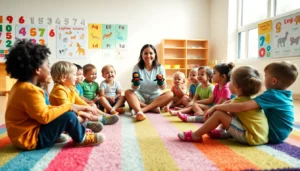
Preschool teachers are the unsung heroes of early education, shaping tiny minds with the kind of patience most of us reserve for our favorite TV shows. They juggle crayons, snack time, and the occasional tantrum like seasoned pros, all while fostering a love for learning in their pint-sized students. It’s a job that requires not just a degree but a superhero cape—preferably one with glitter.
Imagine a world where every child feels valued and excited to learn. That’s the magic preschool teachers create daily. With their infectious enthusiasm and creative teaching methods, they turn simple lessons into grand adventures. Whether it’s transforming the classroom into a jungle or leading a parade of finger-painting masterpieces, these educators know how to make learning fun. Dive into the world of preschool teaching and discover why it’s one of the most rewarding—and entertaining—professions out there.
Role Of A Preschool Teacher
Preschool teachers play a crucial role in early childhood education, nurturing young minds and fostering a love of learning. They create a supportive environment that encourages exploration and creativity.
Responsibilities And Duties
Engaging children in play-based learning forms the core responsibility of a preschool teacher. Facilitating activities that promote social, emotional, and cognitive development is essential. Teachers develop lesson plans that align with educational standards while incorporating fun and interactive elements. Assessing each child’s progress helps tailor experiences to meet individual needs. Communicating with parents keeps them informed of their child’s growth, fostering a strong home-school connection. Maintaining a safe and nurturing classroom environment ensures children can learn and grow freely.
Skills And Qualifications
A successful preschool teacher possesses a combination of skills and qualifications. A bachelor’s degree in early childhood education provides a foundational understanding of child development. Effective communication skills bolster their ability to connect with children and parents alike. Creativity allows teachers to design engaging activities that capture children’s attention. Patience is a key trait, helping them support children as they navigate challenges. Additionally, knowledge of child psychology enhances their approaches to meet diverse learning needs.
Importance Of Preschool Education
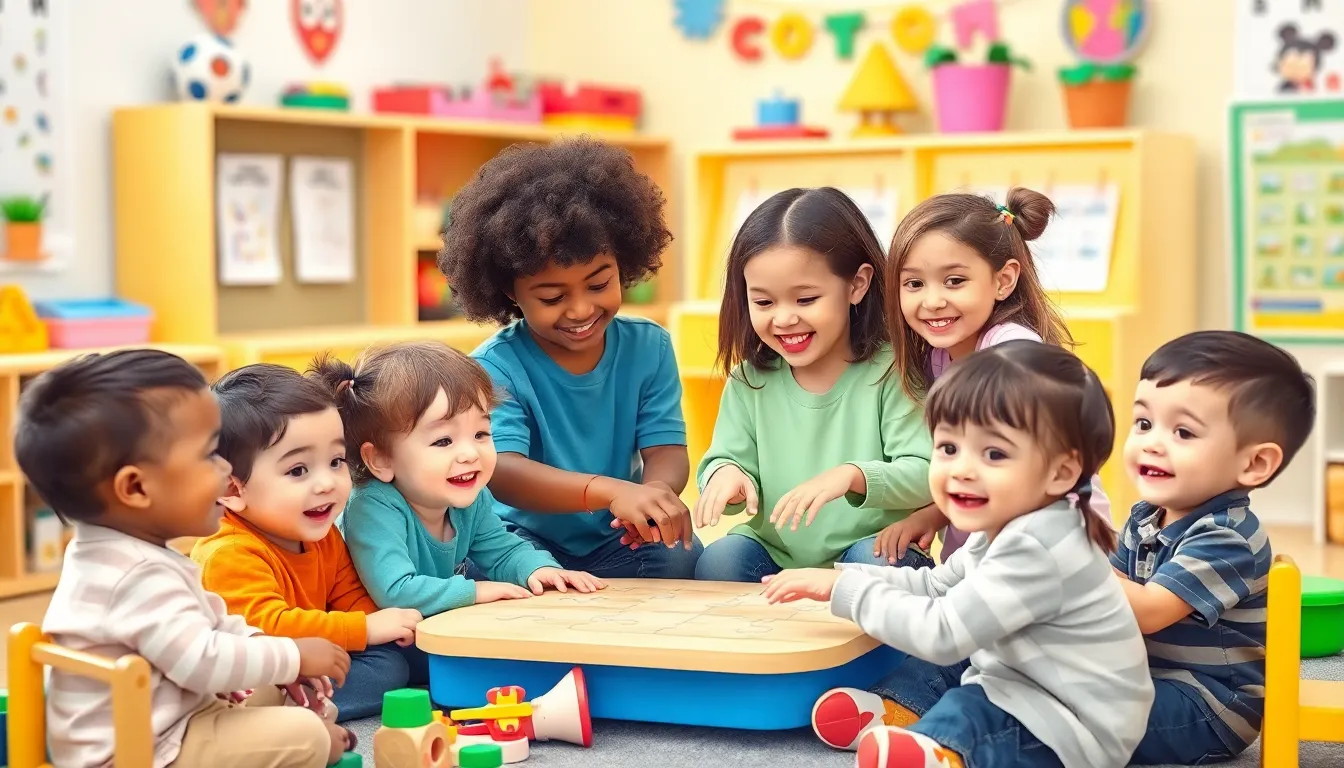
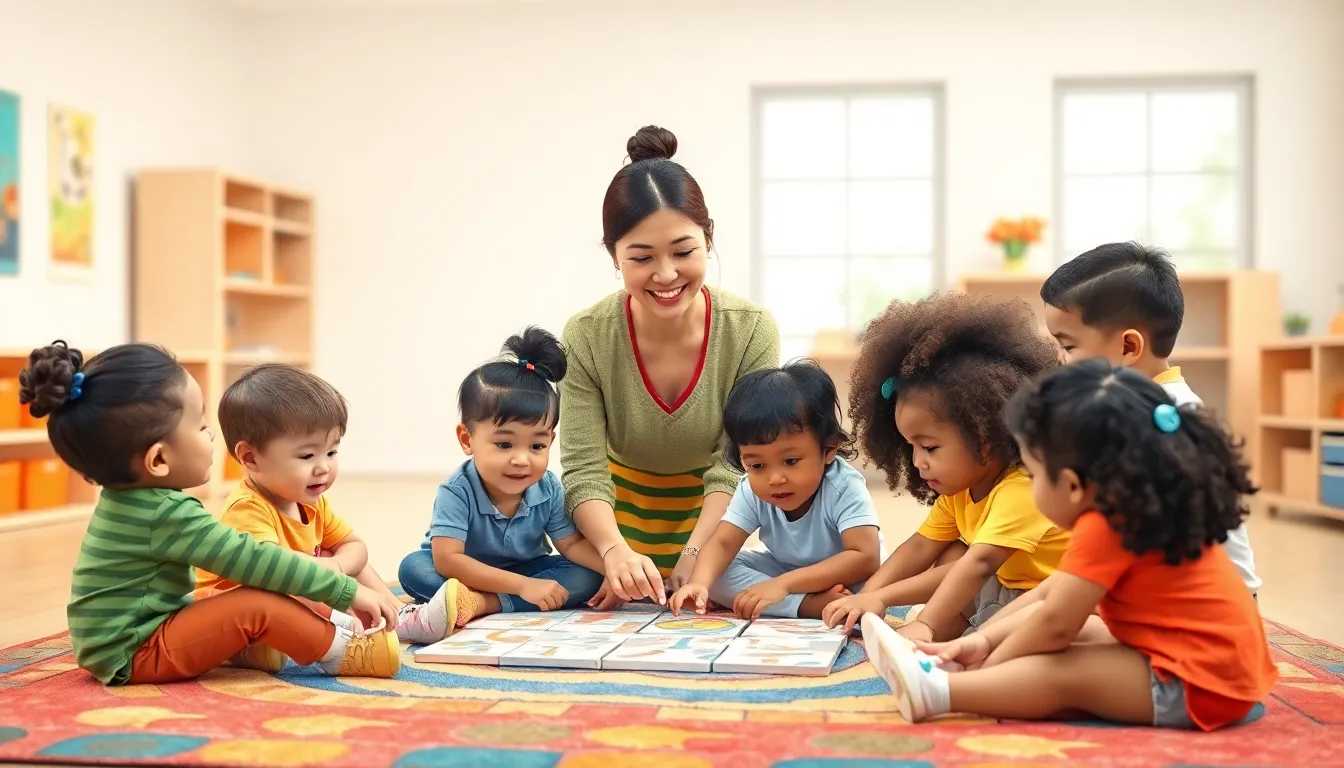
Preschool education holds a significant role in setting the foundation for lifelong learning. Engaging young children in a structured environment fosters essential skills for their developmental journey.
Impact On Child Development
Child development thrives in preschool settings, where structured activities cater to various skills. Children benefit from play-based learning that enhances their social, emotional, and cognitive abilities. Participating in group activities encourages teamwork and communication. Emotional awareness grows as children learn to express their feelings and understand others. Cognitive skills also advance through problem-solving challenges that spark curiosity. Additionally, teachers focus on developing foundational literacy and numeracy skills, preparing children for future academic success.
Benefits Of Quality Preschool Teaching
Quality preschool teaching delivers numerous benefits that extend beyond the classroom. Children become more prepared for primary school through exposure to early learning concepts. Strong communication skills form as they interact with peers and teachers. Social skills develop naturally during collaborative activities, fostering lifelong relationships. In addition, a nurturing environment allows for the exploration of creativity, shaping self-esteem and confidence. Parents notice improved behavior and adaptability in children, which supports smoother transitions into formal education. Each of these factors contributes to a well-rounded early education experience, laying the groundwork for ongoing learning.
Challenges Faced By Preschool Teachers
Preschool teachers encounter several challenges that can impact their effectiveness in the classroom. Addressing these issues requires resilience and adaptability.
Classroom Management
Classroom management stands as a primary challenge preschool teachers face. Maintaining order in an environment filled with active young children requires skill. Strategies include setting clear rules and expectations, which help minimize disruptions. Teachers often implement routines to create a sense of stability, assisting children in understanding transitions. Techniques such as positive reinforcement motivate desired behaviors, making it easier to guide students. Collaboration with teaching assistants can also improve classroom dynamics and support individual needs.
Emotional Demands
Emotional demands of preschool teaching can be substantial. Teachers frequently navigate a range of feelings from children, such as anxiety and frustration. Providing comfort and support requires patience and empathy. Moreover, teachers help children develop emotional regulation skills, promoting resilience. Observing children’s emotional growth can be rewarding yet emotionally taxing, as teachers invest in their development. Communicating effectively with parents about their child’s emotional needs is crucial, and this often amplifies the emotional workload teachers manage daily.
Strategies For Effective Teaching
Effective teaching strategies play a crucial role in the success of preschool education. These approaches foster a dynamic learning environment that encourages young children’s growth.
Engaging Learning Activities
Creating engaging learning activities captures children’s attention. These activities can include hands-on projects, interactive storytelling, and group games. Hands-on projects spark creativity and foster critical thinking. Interactive storytelling enhances comprehension skills while making learning enjoyable. Group games promote collaboration, adding to a sense of community within the classroom. Additionally, incorporating a variety of sensory materials supports different learning styles. Teachers can enrich lessons by integrating music and movement, which keeps energy levels high. Structured playtime remains vital, allowing children to explore concepts through play. Teachers consistently assess children’s engagement to tailor activities that maintain interest.
Promoting Social Skills
Promoting social skills develops emotional intelligence and interpersonal abilities. Group activities like team-building games foster cooperation among peers. Sharing tasks during projects teaches children about teamwork and responsibility. Encouraging communication among classmates boosts verbal skills, allowing them to express thoughts freely. Teachers model appropriate social behaviors, offering children examples to emulate. Recognizing and praising positive interactions reinforces good habits. Conflict resolution practices help children understand and navigate disagreements amicably. Establishing a safe environment invites children to express themselves without fear of judgment. Overall, these strategies strengthen children’s ability to interact positively, building a strong foundation for future relationships.
Preschool teachers play an essential role in shaping the future of young learners. Their dedication not only fuels children’s love for education but also lays the groundwork for crucial developmental skills. The combination of creativity and effective teaching strategies fosters an engaging learning atmosphere where children thrive.
Despite the challenges they face, preschool teachers remain committed to nurturing emotional and social growth. Their ability to adapt and respond to individual needs ensures that each child receives the support necessary for success. As advocates for early education, preschool teachers contribute significantly to the holistic development of children, preparing them for a bright and promising future.