Ever thought about what it takes to be an ER Tech? Picture this: ambulances screeching into the parking lot, patients in need of urgent care, and a team of dedicated professionals racing against the clock. As an Emergency Room Technician, one would be at the heart of this chaotic yet rewarding environment. Not only do they play a vital role in patient care, but they’re often the unsung heroes working behind the scenes. Let’s jump into the world of ER Techs, what they do, what they need, and how they thrive in one of the most intense settings in healthcare.
Overview of ER Tech Role
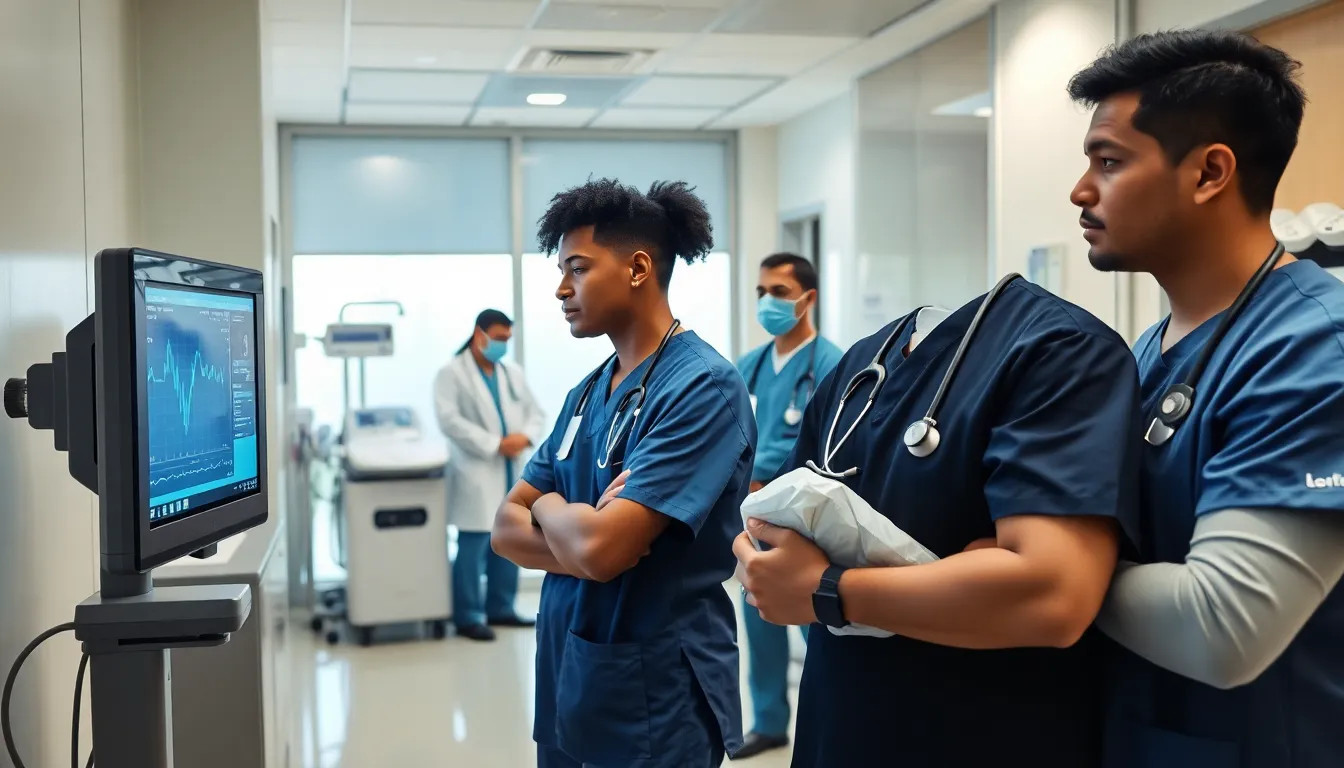
The Emergency Room Technician (ER Tech) acts as a crucial support beam in the bustling emergency department. Their responsibilities extend beyond just checking vital signs: they handle a range of tasks that assist nurses and physicians, ensuring patients receive timely and effective care. From preparing examination rooms to assisting with medical procedures, an ER Tech’s role is both dynamic and indispensable. They help create a supportive environment amidst the urgency of emergency medicine, often being the calm in the storm.
Key Responsibilities
The daily duties of an ER Tech can vary significantly, but some of the core responsibilities typically include:
- Patient care: They assist with vital sign monitoring, taking patient histories, and ensuring patient comfort.
- Assisting medical staff: ER Techs support physicians and nurses during examinations and procedures, providing necessary instruments and materials.
- Administrative duties: Documentation is key in healthcare. ER Techs often input patient information into electronic medical records, making sure everything is accurate and up to date.
- Equipment management: Ensuring all medical equipment is functioning properly is crucial. They clean, sterilize, and prepare instruments for use.
- Communication: They often act as a liaison between patients, families, and the medical team, communicating important information effectively and compassionately.
Required Skills and Qualifications
To excel as an ER Tech, certain skills and qualifications are often essential. Most employers look for candidates who possess:
- Strong interpersonal skills: Being able to communicate effectively with both patients and medical staff is paramount.
- Ability to work under pressure: The emergency room is often unpredictable. Candidates should demonstrate resilience and calmness in high-pressure situations.
- Attention to detail: Even the smallest oversight can impact patient care significantly: hence, a keen eye is critical.
- Basic clinical skills: Knowledge of first aid and basic life support techniques is often a prerequisite.
- Technical proficiency: Familiarity with medical equipment and electronic health records enhances efficiency.
Education and Certification
Most ER Tech positions require a minimum of:
- High school diploma or equivalent: This is typically the bare minimum educational requirement.
- Certification: Various certifications, particularly in cardiopulmonary resuscitation (CPR) and basic life support (BLS), are often sought by employers.
Also, many prospective ER Techs complete programs in emergency medical technology or nursing assistance, which can further enhance their employability. These training programs offer essential hands-on experience and knowledge, preparing them for the fast-paced environment of an emergency department.
Work Environment and Conditions
ER Techs find themselves in a demanding yet rewarding environment. Emergency departments are often fast-paced and can be chaotic:
- Shifts: They may work long hours, including nights, weekends, and holidays, as emergencies don’t schedule themselves.
- Physical demands: The job can be physically taxing, requiring lifting, standing for extended periods, and moving patients when necessary.
- Emotional resilience: The nature of the work can be emotionally challenging, particularly when dealing with critical cases or difficult situations, demanding strong coping mechanisms to maintain mental health.
Career Advancement Opportunities
The path of an ER Tech isn’t stagnant: it can lead to various rewarding career opportunities. With experience and further education, they can pursue roles such as:
- Registered Nurse (RN): Many ER Techs transition to nursing programs, eventually becoming RNs.
- Specialized technician roles: Some may specialize in areas like surgical technology or radiology.
- Leadership positions: Experienced ER Techs might step into supervisory or managerial roles within their departments.
Advancement often hinges upon gaining further qualifications and experience, allowing individuals to carve a niche for themselves in the healthcare landscape.