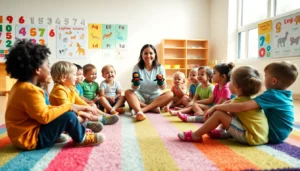
In the colorful world of preschool, where crayons are weapons of creativity and snack time is a sacred ritual, emotional skills are the unsung heroes. Kids may not yet know how to tie their shoes, but they’re learning to navigate the wild waters of feelings. From sharing toys to managing tantrums, these little ones are on a journey to become emotional ninjas.
Understanding Preschool Emotional Skills
Preschool emotional skills refer to the abilities kids develop to understand and manage their feelings. These skills play a critical role in helping them interact with peers and navigate social situations.
Definition and Importance
Emotional skills encompass recognizing emotions in oneself and others, expressing feelings appropriately, and regulating responses to stimuli. These abilities are essential for building healthy relationships and managing stress during early childhood. Research shows that children who develop strong emotional skills tend to perform better academically and socially. By enhancing emotional intelligence, preschoolers learn empathy, conflict resolution, and resilience, crucial for their long-term success.
Developmental Stages
Development of emotional skills occurs in distinct phases during early childhood. Initially, toddlers express feelings through tantrums and crying, often lacking the words to articulate their emotions. As they grow, preschoolers start identifying emotions in themselves and peers, developing empathy and understanding. By age four, many children can label basic emotions such as happiness, sadness, and anger. At five, they commonly demonstrate better self-regulation, using strategies like deep breathing or discussing feelings. Each stage builds a foundation for future emotional intelligence, fostering social competence and effective communication.
Key Components of Emotional Skills
Understanding emotional skills is vital for preschoolers as they develop the ability to interact socially. Two core components include emotional awareness and empathy.
Emotional Awareness
Emotional awareness refers to recognizing and understanding emotions in oneself and others. Preschoolers often begin to identify feelings like happiness, sadness, and anger. By age four, many children can label these emotions, which enhances their communication skills. They learn to notice facial expressions and body language, giving them tools to respond appropriately. Recognizing emotions helps kids navigate social interactions, leading to stronger relationships with peers. Children who develop emotional awareness also exhibit better self-regulation, enabling them to manage their responses to different stimuli effectively.
Empathy and Compassion
Empathy and compassion play a crucial role in preschoolers’ emotional skill sets. These abilities allow kids to understand and share the feelings of others. Through interactions, preschoolers begin to show concern for friends who experience sadness or discomfort. Demonstrating empathy fosters cooperation and improves relationships, as children learn to support one another. By age five, many preschoolers start to engage in acts of kindness, showcasing their compassion. Encouraging these behaviors through play and guided activities can enhance their emotional literacy, helping them grow into emotionally intelligent individuals.
Strategies to Foster Emotional Skills
Fostering emotional skills in preschoolers involves engaging activities and supportive involvement from parents and teachers. These strategies promote emotional awareness, empathy, and self-regulation.
Activities and Games
Interactive play enhances emotional skills in preschoolers. Emotion charades helps children recognize and express feelings through acting. Storytime provides opportunities to discuss characters’ emotions, encouraging empathy. Feelings bingo offers a fun way to identify various emotions and fosters conversation among peers. Group games, such as cooperative storytelling, enhance teamwork and collaboration, reinforcing social connections. Engaging in role-play allows children to practice responding to emotional situations, solidifying their understanding. Regular engagement in these activities contributes to the emotional development of preschoolers.
Parent and Teacher Involvement
Parental and teacher involvement significantly impacts the emotional growth of preschoolers. Practicing open communication creates a safe space for children to express feelings. Teaching emotion vocabulary equips kids with the language needed to articulate emotions. Adults can model emotional regulation by demonstrating how to handle frustrations constructively. Engaging in discussions about emotions during daily routines helps reinforce lessons. Attending workshops on emotional intelligence can provide parents and teachers with effective strategies. When adults collaborate, they create a nurturing environment that supports children’s emotional skill development.
Challenges in Developing Emotional Skills
Developing emotional skills in preschoolers faces various challenges. Young children often struggle to express emotions verbally, leading to frustration. Tantrums frequently arise when they cannot communicate their feelings. Additionally, they may find it hard to recognize emotions in themselves and others. Peer interactions can be overwhelming, making social situations difficult. Further complicating matters, different temperaments influence children’s responses to emotional experiences. Individual variations mean some children adapt more swiftly to social cues while others lag behind.
Common Obstacles
Common obstacles hinder preschoolers from developing emotional skills. First, limited vocabulary restricts their ability to articulate feelings. Frustration often builds up as they attempt to express complex emotions without adequate words. Second, inconsistencies in parental responses can confuse children about acceptable emotional expressions. Children benefit from consistent modeling of emotional regulation from adults. Third, various environmental factors, such as stressful home situations, can exacerbate emotional challenges, making it harder for preschoolers to flourish. Sociocultural influences also play a role in how emotions are viewed and expressed.
Supporting Children Through Challenges
Supporting children through these challenges involves proactive strategies. Adults should provide opportunities for children to learn about emotions during play and daily routines. Reading stories that introduce different feelings can enhance emotional vocabulary. Engaging in discussions about characters’ emotional experiences fosters empathy and understanding. Practicing role-playing scenarios helps children navigate challenging social situations. Creating a supportive atmosphere encourages open communication about feelings. With consistent guidance, children learn to express and regulate their emotions more effectively. Collaborative approaches between parents and teachers are essential for reinforcing emotional skill development.
Fostering emotional skills in preschoolers is vital for their overall development. These skills lay the groundwork for effective communication and strong relationships. By engaging in activities that promote emotional awareness and empathy, children learn to navigate their feelings and those of others.
Supportive involvement from parents and teachers creates a nurturing environment that encourages emotional expression. Addressing challenges and providing proactive strategies can help children overcome obstacles in their emotional development. As preschoolers grow, their ability to manage emotions will not only enhance their social interactions but also contribute to their academic success. Investing in emotional skill development today sets the stage for a brighter future.