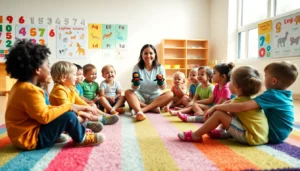
Choosing the right preschool is like picking the perfect avocado—it’s all about timing and a little bit of luck. Parents dive into this world, hoping to find a nurturing environment where their little ones can flourish. After all, preschool isn’t just about finger painting and snack time; it’s the launchpad for future learning adventures.
Overview Of Preschool
Preschool plays a significant role in children’s early education. It provides essential opportunities for social, emotional, and cognitive development.
Definition And Purpose
Preschool refers to a structured program designed for children ages 3 to 5, focusing on early childhood education. Its primary purpose is to prepare children for their transition into kindergarten and primary education. Programs often emphasize play-based learning, allowing kids to explore various activities that promote cognitive, social, and motor skills. Through interaction with peers and teachers, children develop foundational skills necessary for their future academic journeys.
Importance In Early Childhood Development
Early childhood development greatly benefits from preschool attendance. Research indicates that children who attend high-quality preschool programs demonstrate improved readiness for school. Social skills acquired during preschool help enhance children’s ability to interact with others, resolving conflicts and making friends. Cognitive skills also flourish, as preschoolers engage in activities that stimulate critical thinking and problem-solving. Emotional development occurs through exposure to different social settings, enabling children to express themselves and understand their feelings. These crucial early experiences establish a strong foundation for lifelong learning.
Types Of Preschools
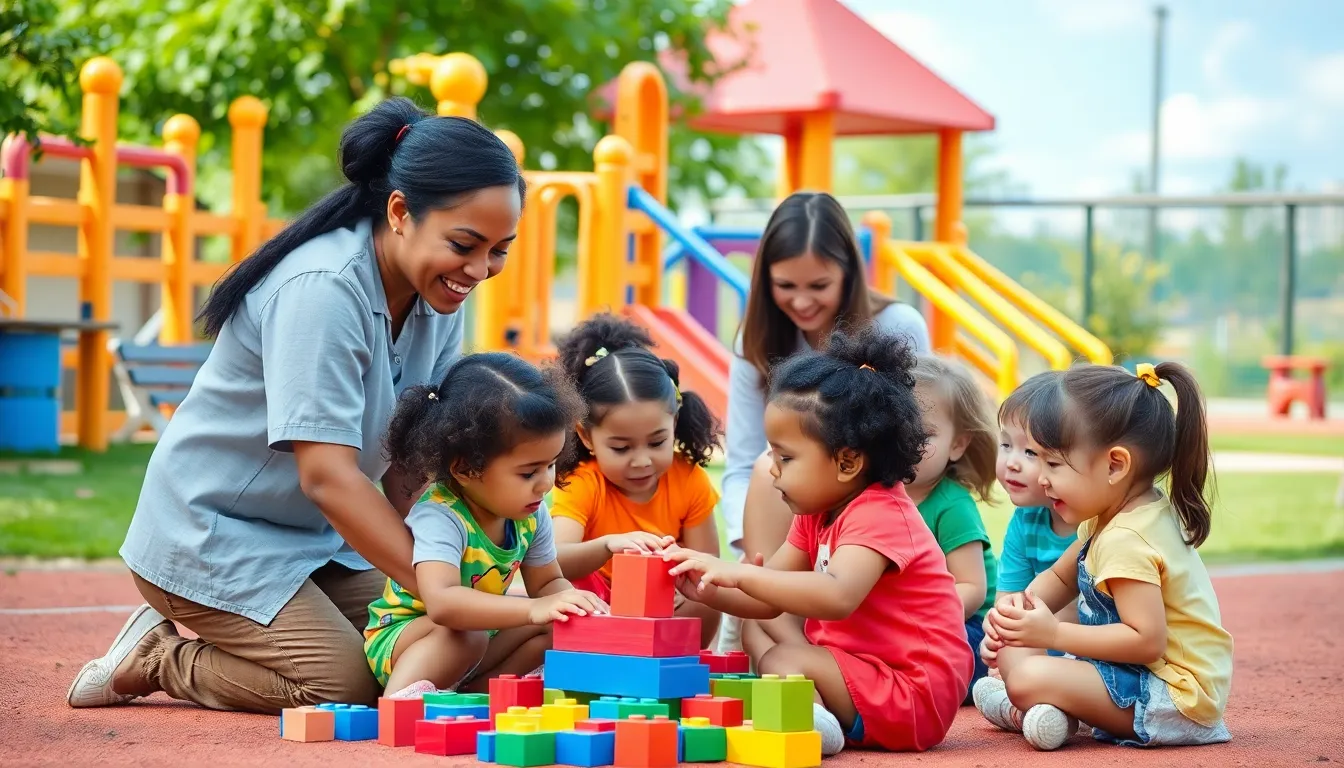
Different preschool types cater to various learning styles and philosophies. Understanding these options can help parents select the best fit for their child.
Traditional Preschools
Traditional preschools often follow a structured curriculum focusing on early literacy, numeracy, and social skills. Children learn through various activities that promote foundational knowledge required for kindergarten. Typically, a teacher directs the activities while providing a mix of individual and group work. These programs emphasize play-based learning to foster creativity alongside academics. Assessments may occur to monitor children’s progress and readiness for school, ensuring they meet developmental milestones.
Montessori Preschools
Montessori preschools highlight child-led learning, encouraging independent exploration and discovery. The unique environment allows children to choose their activities, fostering self-motivation and critical thinking. Teachers act as guides, offering support and resources tailored to each child’s interests. Mixed-age classrooms promote peer learning and collaboration. Skills such as problem-solving and responsibility develop naturally through this individualized approach, laying a strong foundation for lifelong learning.
Reggio Emilia Approach
The Reggio Emilia approach emphasizes collaboration, creativity, and community involvement in early education. Programs encourage children to express themselves through various mediums, including art and storytelling. Teachers observe and document children’s learning journeys, tailoring experiences based on individual interests. This collaborative process fosters social skills, emotional intelligence, and critical thinking. Parental involvement is integral, creating a supportive community that enriches the learning experience.
Benefits Of Preschool
Preschool offers invaluable benefits that shape children’s foundational skills. This stage prioritizes social interaction, cognitive development, and emotional maturity, preparing kids for future academic success.
Social Skills Development
In preschool, children experience crucial social skills development. They learn to share and take turns while engaging in group activities. Effective communication happens as kids interact with peers, enhancing their ability to express feelings and thoughts. Conflict resolution also emerges through guided play, teaching children to navigate disagreements. Participation in collaborative tasks fosters teamwork, essential for later life and academic environments.
Cognitive Growth
Cognitive growth flourishes in a preschool setting. A focus on structured activities promotes language development and early literacy. Children engage in problem-solving tasks, stimulating critical thinking skills. Exploration through play encourages curiosity, allowing kids to question and discover. Various learning approaches, such as hands-on activities, enhance fine motor skills and boost overall cognitive abilities.
Emotional Maturity
Emotional maturity evolves as children adapt to preschool routines. They develop self-regulation by managing emotions and understanding social cues. Guidance from educators helps them identify and express feelings appropriately. As a result, children gain confidence and resilience, which contribute to positive self-esteem. Building empathy during interactions fosters healthy relationships and emotional intelligence, vital for future success.
Choosing The Right Preschool
Choosing the right preschool involves careful consideration of several important factors. Parents should prioritize their child’s unique needs and learning style when evaluating options.
Factors To Consider
Location influences convenience and daily routines. Proximity to home allows for easy drop-offs and pick-ups, making it a practical choice. Additionally, the preschool’s curriculum plays a crucial role. Programs with a play-based approach support social and emotional development while enhancing cognitive skills. The teacher-to-student ratio matters, as smaller classes often provide personalized attention, benefitting children’s learning experiences. Safety and cleanliness must be assessed; secure environments foster peace of mind. Lastly, communication between educators and parents should be consistent and open, providing insight into the child’s growth and progress.
Questions To Ask
Inquiring about teacher qualifications can reveal essential insights. Asking how teachers support children’s individual strengths or challenges highlights their approach to personalized learning. What is the preschool’s philosophy? Understanding curricula can clarify the educational focus, whether structured or child-led. Parents should also question how the preschool handles discipline and conflict resolution, ensuring that methods align with their values. Exploring parent involvement opportunities sheds light on community engagement and support. Lastly, asking about the transition process to kindergarten provides valuable information about preparedness for future educational settings.
Choosing the right preschool is a pivotal step in a child’s educational journey. It lays the groundwork for future learning and development. The right environment fosters essential skills that extend beyond academics.
Parents should remain mindful of their child’s unique needs while exploring various preschool options. By prioritizing factors like curriculum, teacher engagement, and safety, they can find a setting that nurtures growth, creativity, and social interaction.
Ultimately, investing time in selecting the perfect preschool can lead to a rewarding experience that sets children up for lifelong success.