Spring is in the air, and it’s not just the flowers that are blooming. Preschoolers can soak up the joy of this vibrant season through creative learning experiences, and that’s where spring worksheets come in. Imagine your little ones discovering the wonders of nature, all while developing essential skills through playful activities. These worksheets are more than just sheets of paper: they’re gateways to exploration, creativity, and a whole lot of fun. Grab your gardening gloves as we jump into how these spring worksheets can transform learning into a seasonal adventure.
Importance Of Seasonal Learning
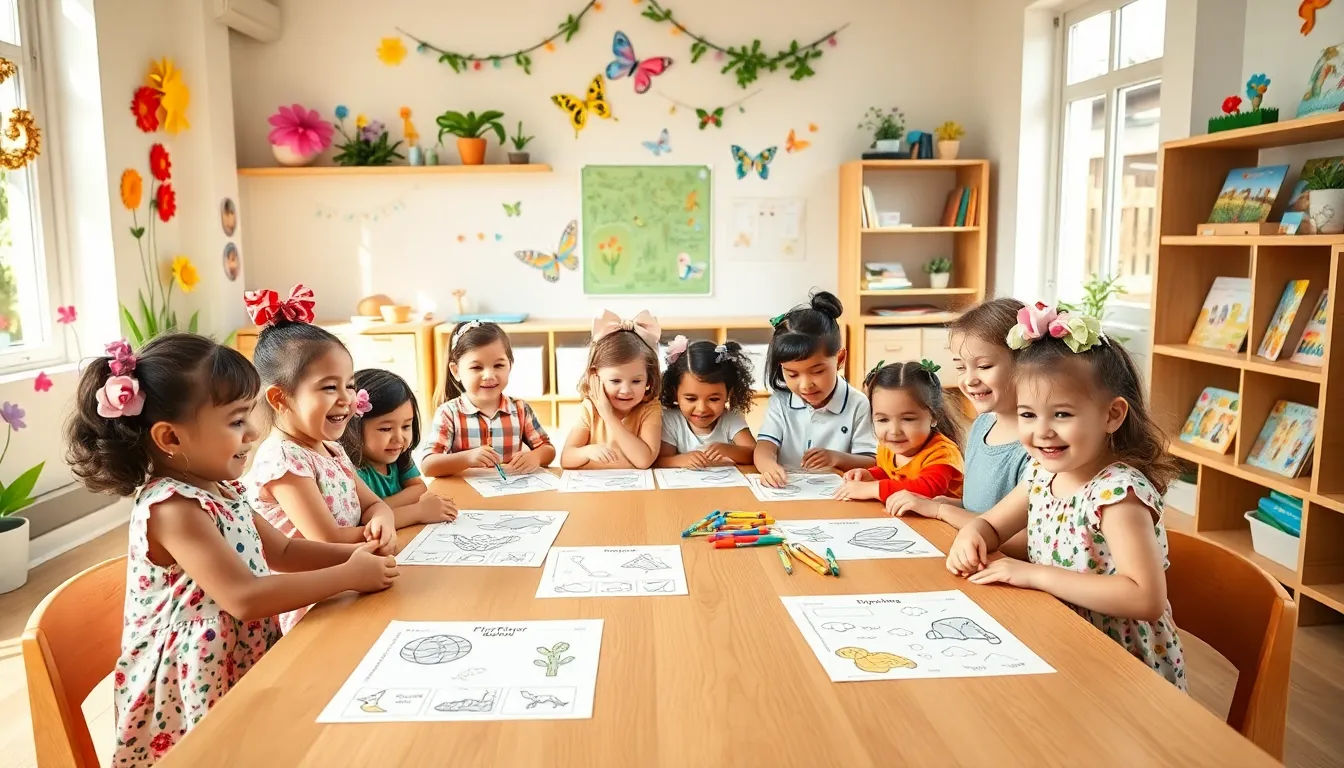
Learning goes beyond the walls of a classroom. Seasonal learning is all about connecting young minds to the world around them and fostering an appreciation for nature’s rhythms. With spring marking a period of renewal and growth, it offers unique opportunities to teach children about life cycles, weather changes, and the beauty of biodiversity. Engaging with the seasons can enhance children’s cognitive development and help cultivate emotional awareness. Not only does it encourage curiosity, but it also deepens their understanding of environmental stewardship and the interconnectivity of life. Through fun and interactive spring worksheets, children can embrace these learning moments while enjoying the fresh air.
Benefits Of Spring-Themed Activities
Spring-themed activities aren’t just entertaining: they’re packed with educational benefits. First, they reinforce critical skills such as fine motor coordination through activities that require cutting, coloring, and tracing. Second, they stimulate sensory exploration with hands-on tasks focusing on textures, smells, and sounds related to spring. Also, engaging in group activities fosters social skills among preschoolers, making learning a collaborative experience. Teachers and parents have noted that spring activities also emphasize themes like growth and change, making abstract concepts more relatable. Besides, adding seasonal themes to learning keeps children eager and enthusiastic, channeling their natural curiosity into structured play.
Types Of Spring Worksheets
When it comes to spring worksheets, the possibilities are as abundant as the blooms. They can include language activities, where children practice writing words like ‘flower’ and ‘bunny,’ or math-focused exercises using colorful spring-themed counters. Here are a few exciting types of worksheets to consider:
Activities To Complement Worksheets
Activities that pair well with worksheets provide tangible experiences. For instance, after completing a worksheet about garden plants, invite children to plant seeds in a small pot. This direct experience reinforces their learning and makes concepts stick.
Craft Ideas Related To Spring
Crafts can breathe life into worksheets. Consider making collages of spring flowers using different materials or creating a paper butterfly. These projects add a creative layer, allowing children to express their understanding in unique ways.
Interactive Games For Engagement
Games can elevate the learning experience while ensuring that energy levels remain high. Play a matching game with spring-themed cards or a scavenger hunt where children search for items that relate to spring, like leaves or flowers. Such games provide a platform for both learning and fun.
How To Use Spring Worksheets Effectively
Effectively using spring worksheets requires a blend of creativity, patience, and adaptability. Here are some practical approaches to optimize their use:
Tips For Parents And Educators
Start by assessing the child’s interests. If they love animals, focus on worksheets centered around spring wildlife. Incorporate storytelling by integrating worksheets with narratives that enhance comprehension and spark imagination. Also, allowing flexibility means children won’t see learning as a chore but rather as an enjoyable adventure.
Customization And Personalization
Customize worksheets based on a child’s skill level or interests. Personalization can involve including a child’s name in exercises or using images of their favorite things. Tailoring content this way makes learning feel relevant and engaging, ensuring a deeper connection with the material.